ABA for 11-Year-Old Social Skills: A Parent's Guide
In short: ABA therapy can help 11-year-olds with autism improve social skills like conversation, reading cues, and making friends. It's often covered by insurance and Medicaid. Our free service matches families with BCBA-led providers who tailor programs to each child's needs.
Key takeaways
- ABA therapy focuses on teaching practical social skills like turn-taking, reading body language, and starting conversations.
- For 11-year-olds, ABA is often play-based and peer-inclusive, building confidence in real-world settings.
- ABA is commonly covered by private insurance and Medicaid, including state programs like Early and Periodic Screening, Diagnostic and Treatment (EPSDT).
- A Board Certified Behavior Analyst (BCBA) leads the therapy, ensuring it's evidence-based and individualized.
What Is ABA Therapy for Social Skills?
Applied Behavior Analysis (ABA) is a science-based therapy that helps children learn new behaviors and skills by breaking them into small, teachable steps. For an 11-year-old, ABA can focus on social skills like starting a conversation, understanding jokes, sharing interests, and handling disagreements with friends. A Board Certified Behavior Analyst (BCBA) designs a personalized plan based on your child's strengths and challenges. Sessions often happen in natural settings-like home, a clinic, or a community group-so skills are practiced where they'll be used. Our free service, ABA Care Near Me, can match your family with a vetted BCBA-led provider who specializes in this age group.
🔗 Related reading: ABA Therapist Quit: Your Next Steps & Options · Local ABA Therapy
Why Social Skills Matter at Age 11
Preteens face new social demands: navigating friendships, group projects, and after-school activities. Without support, some autistic children may feel isolated or misunderstood. ABA helps by teaching concrete skills such as:
- Reading facial expressions and tone of voice
- Taking turns in conversation
- Asking for help or clarification
- Handling rejection or disappointment
- Initiating and ending interactions politely
These skills build confidence and reduce anxiety, making school and social events more enjoyable. ABA is not about changing who your child is-it's about giving them tools to connect with others in their own way.
What to Expect in ABA Sessions for an 11-Year-Old
Assessment and Goal Setting
First, a BCBA will meet with you and your child to understand their social strengths and areas for growth. They may use interviews, questionnaires, and direct observation to create a baseline. Goals are written in clear, measurable terms-for example, 'Your child will initiate a conversation with a peer at least twice during a 15-minute play session.'
Teaching Methods
Sessions often use role-playing, video modeling, and natural environment teaching. For instance, a therapist might practice ordering food at a café or joining a game at recess. Positive reinforcement-like praise or a preferred activity-encourages your child to try new skills. As they improve, the therapist fades support so your child becomes more independent.
Peer Involvement
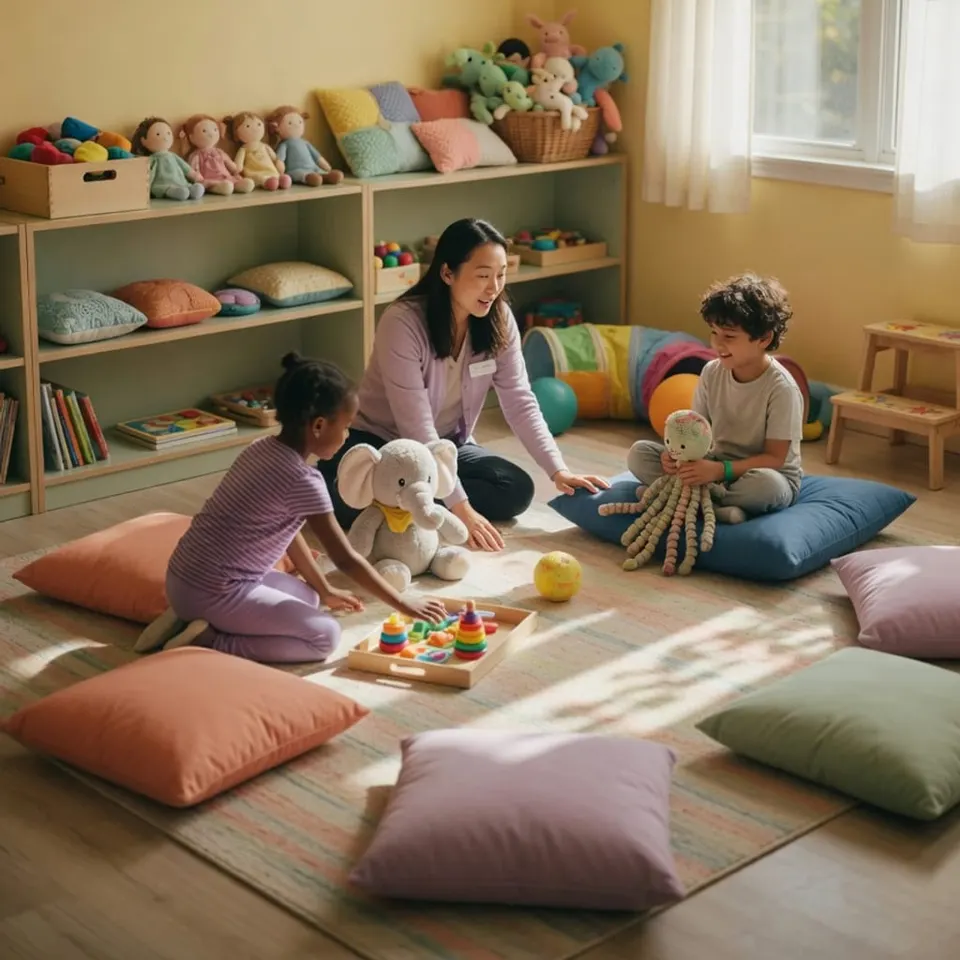
Many programs include peer buddies or small group sessions. This lets your child practice with neurotypical peers in a safe, guided setting. Group sizes are small-often 2 to 4 kids-and activities are structured to promote interaction, like board games or cooperative art projects.

🔗 Related reading: Can You Start ABA Before an Autism Diagnosis? · Nearby ABA Therapy
How ABA Fits Into Your Child's Day
ABA is flexible. Some families choose 1-2 hours per week of focused social skills training, while others integrate strategies into daily routines. A BCBA can train you to use simple prompts at home-like reminding your child to make eye contact before speaking. School collaboration is also common; the BCBA may consult with teachers to reinforce skills in the classroom. The goal is to make social learning a natural part of your child's life, not a chore.
Costs and Insurance Coverage
ABA therapy can cost $60 to $150 per hour, but most private insurance plans cover it for autism diagnoses. Many states mandate coverage, and Medicaid-including state-specific programs like EPSDT-often pays for ABA. Your out-of-pocket costs depend on your plan's deductible and copay. Our free service can help you find providers who accept your insurance, including Medicaid. We'll also guide you on verifying benefits before starting.

Mistakes to Avoid When Seeking ABA for Social Skills
- Waiting too long: Social skills are easier to build in early adolescence. Don't delay if you see struggles.
- Choosing a provider without BCBA oversight: Always ensure a BCBA designs and supervises the program. Technicians follow the plan, but the BCBA is the expert.
- Ignoring your child's interests: Effective ABA uses your child's motivators-like video games or animals-to teach skills. Avoid one-size-fits-all programs.
- Forgetting to practice at home: Skills stick when practiced daily. Ask your BCBA for simple strategies you can use during family time.
- Not checking insurance coverage first: Call your insurance or let us help verify benefits to avoid surprise bills.
How ABA Care Near Me Helps You Find the Right Provider
Our service is free and designed to make your search easier. Tell us your location, your child's age, and your insurance. We'll match you with vetted, BCBA-led ABA providers who have experience with preteens and social skills. You'll get a shortlist of options, and we can even help schedule initial consultations. No obligation, no cost-just support for your family.
Practical Tips for Parents
Start by observing your child's social interactions. Note what's hard-like joining a group or handling a loss in a game. Share these with the BCBA so goals are relevant. Celebrate small wins, like a successful hello or a shared laugh. Remember, progress takes time; consistency is key. And you're not alone-many families find community through parent support groups or online forums. ABA is a tool, but your love and patience are the foundation.
Final Thoughts
ABA therapy can make a real difference in your 11-year-old's social life. By focusing on practical, enjoyable skills, it helps them connect with peers and feel more confident. Start by exploring your options-our free matching service is here to connect you with a vetted BCBA-led provider who understands your child's unique needs. Every child deserves to feel included and understood.