ABA for a 2-Year-Old Not Speaking: A Parent's Guide

In short: ABA therapy can help a 2-year-old who isn't speaking by breaking down communication into small, teachable steps and using positive reinforcement to encourage sounds, gestures, and words. It works best when started early and paired with speech therapy, and is often covered by insurance, including Medicaid. Our free matching service connects you with vetted, BCBA-led providers in your area to get started quickly.
Key takeaways
- ABA therapy focuses on building foundational communication skills, like eye contact and imitation, before moving to spoken words.
- Early intervention (before age 3) is critical for maximizing a child's communication development.
- ABA is often covered by insurance, including Medicaid, and our free service helps you find providers who accept your plan.
- Look for a BCBA-led provider with experience in early childhood and naturalistic teaching approaches.
Find your child's ABA provider
About 60 seconds · free & confidential
- ✓ Vetted, BCBA-led providers
- ✓ In-home, center & telehealth
- ✓ No obligation, ever
Understanding Language Delays in Toddlers
It's common for parents to worry when their 2-year-old isn't speaking as much as expected. While some children develop language later, a significant delay can be an early sign of autism or other developmental differences. At this age, most toddlers can say around 50 words and begin combining two-word phrases. If your child isn't meeting these milestones, it's worth exploring support options.
What Does 'Not Speaking' Mean at Age 2?
Not speaking can range from having only a few words to using no spoken language at all. Some children may use gestures or sounds but not words. Others might have lost words they previously used. A speech-language pathologist can evaluate receptive and expressive language, but ABA therapy can also play a key role in building the skills needed for communication.
Why Early Intervention Matters
The brain is most adaptable in the first three years of life, making early intervention crucial. Research shows that starting ABA therapy before age 3 can lead to significant gains in communication, social skills, and adaptive behavior. The earlier you act, the better the outcome for your child.

🔗 Related reading: ABA Insurance Mandates in New York: Your Coverage Rights · Find ABA Near Me
How ABA Therapy Supports Communication in Toddlers
ABA therapy uses principles of learning and behavior to teach new skills. For a 2-year-old not speaking, the focus is on building pre-verbal and verbal communication through fun, play-based activities. A BCBA (Board Certified Behavior Analyst) designs a personalized plan that breaks down communication into small steps.
Building Foundational Skills
Before a child speaks, they need foundational skills like eye contact, joint attention, and imitation. ABA therapists use natural environment teaching to encourage these skills during play. For example, they might pause during a favorite game to prompt a sound or gesture, then reward the attempt with praise or access to the toy.
Teaching Verbal Behavior
ABA categorizes language into verbal operants: mands (requests), tacts (labels), echoics (repeating sounds), and intraverbals (conversation). For a 2-year-old, therapists often start with mands-teaching the child to request a desired item by saying a sound, word, or using a picture exchange system (PECS). Over time, this builds into more complex language.
Using Positive Reinforcement
Positive reinforcement is key. When a child attempts a sound or word, the therapist immediately provides a reward-like a favorite snack, toy, or tickle. This makes communication rewarding and encourages more attempts. The goal is to create a cycle of success that builds confidence.
Looking for ABA therapy for your child? We match families with vetted, BCBA-led providers near you.
Get matched freeWhat to Expect in ABA Sessions for a 2-Year-Old
Sessions are typically 1-2 hours, several times a week, and are play-based. The therapist follows the child's lead, embedding learning into activities they enjoy. Parents are often involved, learning strategies to use at home.
Initial Assessment and Goal Setting
The BCBA first conducts a functional behavior assessment and a language assessment (like the VB-MAPP). They'll identify your child's current skills and set measurable goals, such as 'will independently request a preferred item using a vocal approximation in 4 out of 5 opportunities.'
Naturalistic Teaching Approaches
Modern ABA for toddlers uses naturalistic methods like Early Start Denver Model (ESDM) or Pivotal Response Treatment (PRT). These are child-led and focus on motivation, rather than drills. The therapist might set up the environment to create opportunities for communication-like placing a favorite toy just out of reach to prompt a request.
Parent Coaching and Home Practice
You'll be taught to use similar strategies during daily routines like meals, bath time, and play. Consistency across settings helps your child generalize skills. Many providers offer parent training sessions as part of the program.

🔗 Related reading: TRICARE ABA Therapy in Utah: A Military Family Guide · Local ABA Therapy
Costs, Insurance, and Finding a Provider
ABA therapy can be expensive without coverage, but most insurance plans-including Medicaid-cover it for autism diagnoses. For a 2-year-old not speaking, a diagnosis may not yet be formal, but many providers accept evaluations and can start therapy while you pursue a diagnosis.
Insurance Coverage and Medicaid
The Affordable Care Act requires many plans to cover ABA for autism. Medicaid in most states also covers ABA, and some states have early intervention programs that include ABA. Our free matching service can connect you with providers who accept your insurance, including Medicaid.
How Our Free Matching Service Works
You don't have to search alone. At ABA Care Near Me, we match families with vetted, BCBA-led providers in your area. Just tell us your location, insurance, and your child's needs, and we'll find options that fit. It's free, and there's no obligation. We've helped hundreds of families get started quickly.
Common Mistakes to Avoid
Starting ABA therapy is a big step. Avoid these common pitfalls to make the process smoother.
- Waiting too long: Don't wait for a formal diagnosis to start therapy. Early intervention can begin with a developmental delay.
- Choosing a provider without BCBA oversight: Ensure the program is led by a BCBA with experience in early childhood and verbal behavior.
- Ignoring parent training: Your involvement is crucial. Look for programs that offer regular parent coaching.
- Expecting immediate results: Progress can be slow. Celebrate small wins like a new sound or gesture.
- Not pairing ABA with speech therapy: A team approach works best. Speech therapists and BCBAs can collaborate.
Practical Tips for Parents
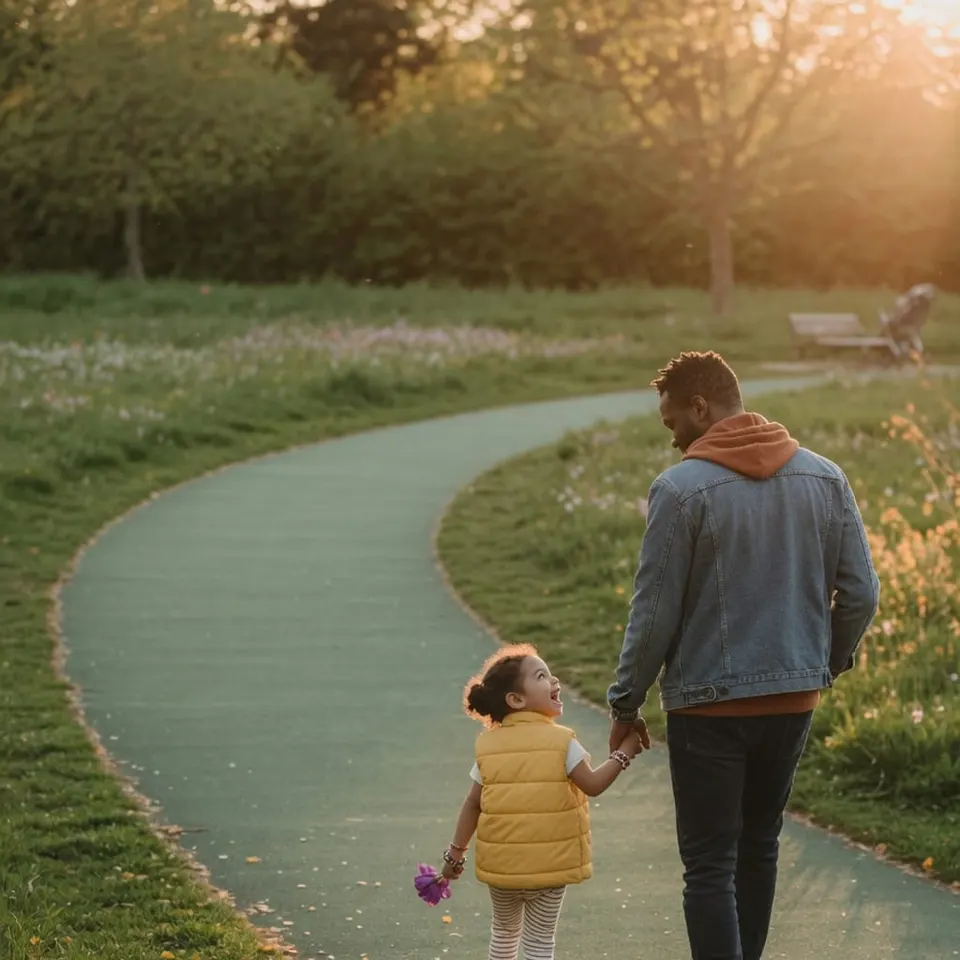
While waiting for therapy to start, you can support your child's communication at home.
- Narrate your day: Describe what you're doing in simple language. 'Mommy is pouring juice.'
- Use choices: Hold up two items and ask, 'Do you want the ball or the car?' This encourages a point or sound.
- Imitate your child: If they make a sound, copy it. This teaches turn-taking and the joy of communication.
- Reduce screen time: Face-to-face interaction is best for language development.
- Be patient and positive: Avoid pressuring your child to speak. Praise any attempt to communicate.
Final Thoughts: Taking the Next Step
If your 2-year-old isn't speaking, you're not alone, and help is available. ABA therapy can be a powerful tool to unlock your child's communication potential. The key is to act early and find the right support. Our free matching service at ABA Care Near Me makes it easy to connect with vetted, BCBA-led providers who specialize in early intervention. You don't have to navigate this journey alone-let us help you find the care your child deserves.