How ABA Therapy Helps a 3-Year-Old Who Isn't Talking
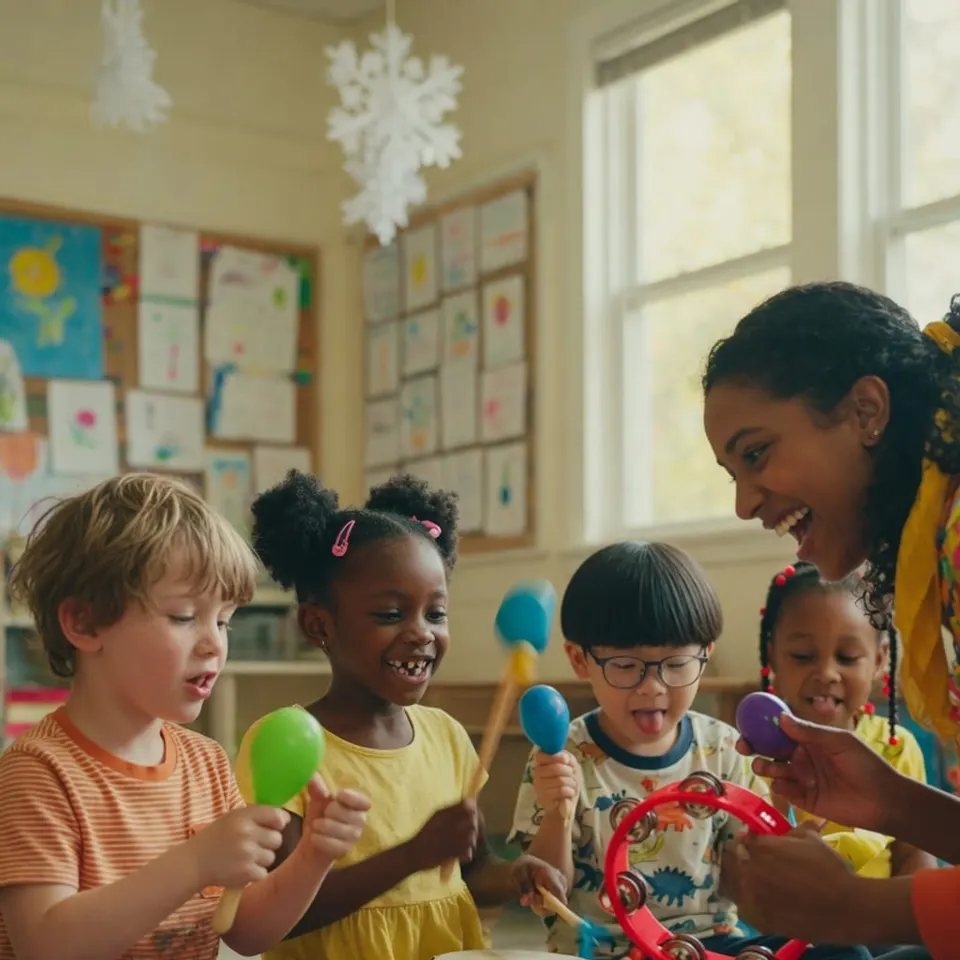
In short: If your 3-year-old is not yet talking, ABA therapy can help by breaking down communication into small, teachable steps. A BCBA designs a personalized plan to encourage vocalizations, gestures, and functional language. ABA Care Near Me is a free service that matches you with qualified providers who accept insurance and Medicaid.
Key takeaways
- ABA therapy uses positive reinforcement to teach communication skills to nonverbal toddlers.
- Early intervention (before age 4) can significantly improve outcomes for children with speech delays.
- A BCBA conducts a thorough assessment and creates a customized plan targeting functional language.
- ABA is often covered by insurance, including Medicaid, and ABA Care Near Me helps you find in-network providers.
Find your child's ABA provider
About 60 seconds · free & confidential
- ✓ Vetted, BCBA-led providers
- ✓ In-home, center & telehealth
- ✓ No obligation, ever
Understanding Why a 3-Year-Old Might Not Be Talking
It's natural to feel worried when your 3-year-old isn't speaking as expected. At this age, many children use short phrases and have a growing vocabulary. However, every child develops at their own pace. Some may have a speech delay unrelated to autism, while for others it could be an early sign of autism spectrum disorder (ASD). Regardless of the cause, early intervention is key. ABA therapy, or Applied Behavior Analysis, is a research-backed approach that can help children build communication skills, even if they are not yet using words.
Speech delays in toddlers can stem from various factors: hearing issues, oral-motor difficulties, or developmental conditions like autism. If your child has been diagnosed with autism or is showing signs (such as limited eye contact, repetitive behaviors, or lack of response to their name), ABA therapy is often recommended. But ABA can also benefit children without an autism diagnosis who struggle with communication. The key is to start as early as possible, and ABA Care Near Me can help you find a BCBA-led provider who specializes in early intervention.
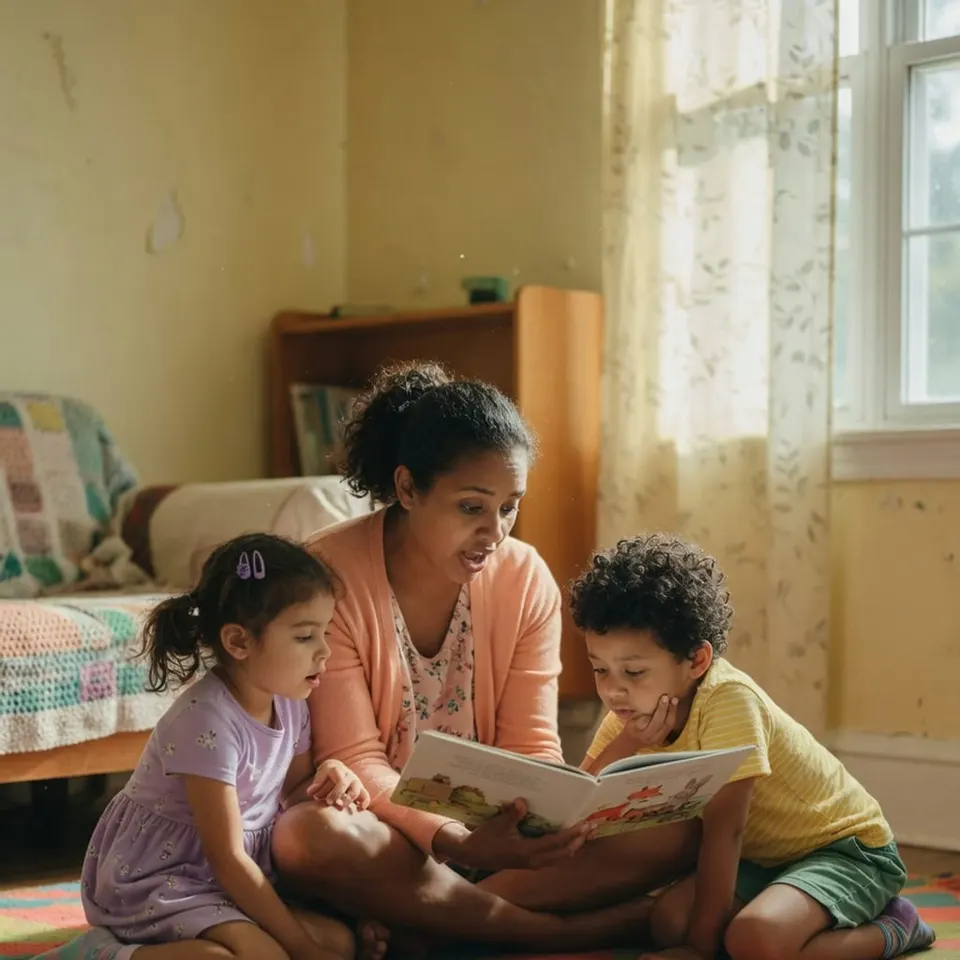
🔗 Related reading: Ohio Autism Scholarship Program for ABA: A Guide · Local ABA Therapy
What Is ABA Therapy for a Nonverbal Toddler?
ABA therapy is a flexible, evidence-based treatment that focuses on teaching new skills by breaking them down into small, manageable steps. For a 3-year-old who isn't talking, the goal is not just to get them to say words, but to build a foundation for functional communication. A Board Certified Behavior Analyst (BCBA) will first conduct a thorough assessment to understand your child's current abilities, preferences, and challenges. Based on that, they design a personalized plan that might include:
- Teaching simple signs or gestures (e.g., pointing, waving)
- Using picture exchange systems (PECS) to request items
- Encouraging vocalizations through play and positive reinforcement
- Building imitation skills (copying sounds, movements)
- Reducing frustration behaviors that may arise from being unable to communicate
ABA is not about forcing speech; it's about creating motivation to communicate. Therapists use rewards that are meaningful to your child, such as a favorite toy or snack, to reinforce any attempt at communication, whether it's a sound, a sign, or a picture. Over time, these small steps lead to more complex language.
How ABA Differs from Speech Therapy
You might wonder how ABA compares to speech therapy. Both can be valuable, but they take different approaches. Speech therapy typically focuses on the mechanics of speech (articulation, oral motor skills) and language comprehension. ABA focuses on the function of behavior and uses behavioral principles to teach communication as a skill. Many children benefit from both, and ABA often works alongside speech therapy. The BCBA can incorporate speech goals into the ABA plan, ensuring consistency across settings.
Looking for ABA therapy for your child? We match families with vetted, BCBA-led providers near you.
Get matched freeWhat to Expect in ABA Sessions for a 3-Year-Old
ABA sessions for a toddler are play-based and child-led. They typically take place in a natural environment like your home, a clinic, or a daycare. A registered behavior technician (RBT) works one-on-one with your child under the supervision of a BCBA. Sessions might last 2-4 hours, several times a week, depending on your child's needs and insurance coverage.
During a session, you might see the therapist:
- Engaging your child in a preferred activity (e.g., bubbles, cars) and pausing to prompt a request
- Modeling a sound or word and rewarding any attempt
- Using a visual schedule to reduce anxiety and increase predictability
- Collecting data on your child's responses to adjust the plan
Progress is measured through data, not just intuition. The BCBA reviews the data regularly to ensure the plan is working. If your child isn't making progress, the approach is modified. This data-driven nature is one of ABA's strengths.

🔗 Related reading: Baby Watch Early Intervention & ABA in Utah · Local ABA Therapy
The Critical Role of Parent Training
ABA is most effective when parents are involved. A good BCBA will provide parent training to teach you how to reinforce communication skills throughout the day. You'll learn strategies like:
- Creating opportunities for your child to request (e.g., placing a favorite snack in a clear container out of reach)
- Using simple, consistent language
- Responding positively to any communication attempt
- Avoiding unintentionally reinforcing challenging behaviors
Parent training is often included in the ABA plan and may be covered by insurance. ABA Care Near Me can help you find providers that offer robust parent training as part of their services.
Insurance Coverage and Costs for ABA Therapy
ABA therapy can be expensive without insurance, but most private insurance plans cover ABA for autism, thanks to mandates in many states. Medicaid also covers ABA in most states, including through Early Intervention programs. If your child does not have an autism diagnosis, coverage may vary, but some plans cover ABA for other developmental delays. ABA Care Near Me is a free service that helps you navigate insurance and match with providers who accept your plan. You simply provide your insurance information, and they find vetted, BCBA-led providers in your area.
It's important to note that ABA is typically prescribed in hours per week. For a 3-year-old not talking, a common starting point is 10-20 hours per week, but this varies. The BCBA will recommend a dosage based on your child's needs and your family's goals.

Common Mistakes to Avoid When Seeking ABA for a Nonverbal Toddler
When starting this journey, parents sometimes make missteps that can delay progress. Here are some to avoid:
- Waiting too long to start. Early intervention is critical. Don't wait for a formal diagnosis if you suspect a delay.
- Choosing a provider without BCBA oversight. Always ensure a BCBA designs and supervises the program.
- Focusing only on speech. Communication includes gestures, signs, and AAC devices. Celebrate all forms.
- Neglecting parent training. You are your child's best teacher. Learn the strategies and use them daily.
- Ignoring insurance options. Many families qualify for coverage. Use a free matching service like ABA Care Near Me to find in-network providers.
How to Get Started with ABA Therapy for Your 3-Year-Old
The first step is to get a diagnostic evaluation if you haven't already. A developmental pediatrician or psychologist can assess your child. If autism is diagnosed, you'll have a clear path to ABA coverage. Even without a diagnosis, you can seek a BCBA consultation. Many providers offer free initial consultations to discuss your concerns and determine if ABA is appropriate.
Next, contact ABA Care Near Me. Their team will ask about your location, insurance, and your child's needs. They'll then connect you with BCBA-led providers who specialize in early intervention and have experience with nonverbal toddlers. The service is free - they are paid by the providers, not by you. This saves you hours of research and ensures you're matched with qualified professionals.
Once you choose a provider, the BCBA will conduct a detailed assessment and create a treatment plan. You'll be involved every step of the way. Remember, progress may be slow at first, but with consistency, many children begin to communicate in meaningful ways within months.
Final Thoughts: Hope and Practical Next Steps
If your 3-year-old isn't talking, you are not alone, and there is effective help available. ABA therapy offers a structured, compassionate approach to building communication skills. By starting early, involving yourself in the process, and leveraging resources like ABA Care Near Me, you can give your child the best chance to find their voice. Every child communicates in their own way, and ABA helps unlock that potential.