ABA Therapy First: What to Expect and How to Prepare
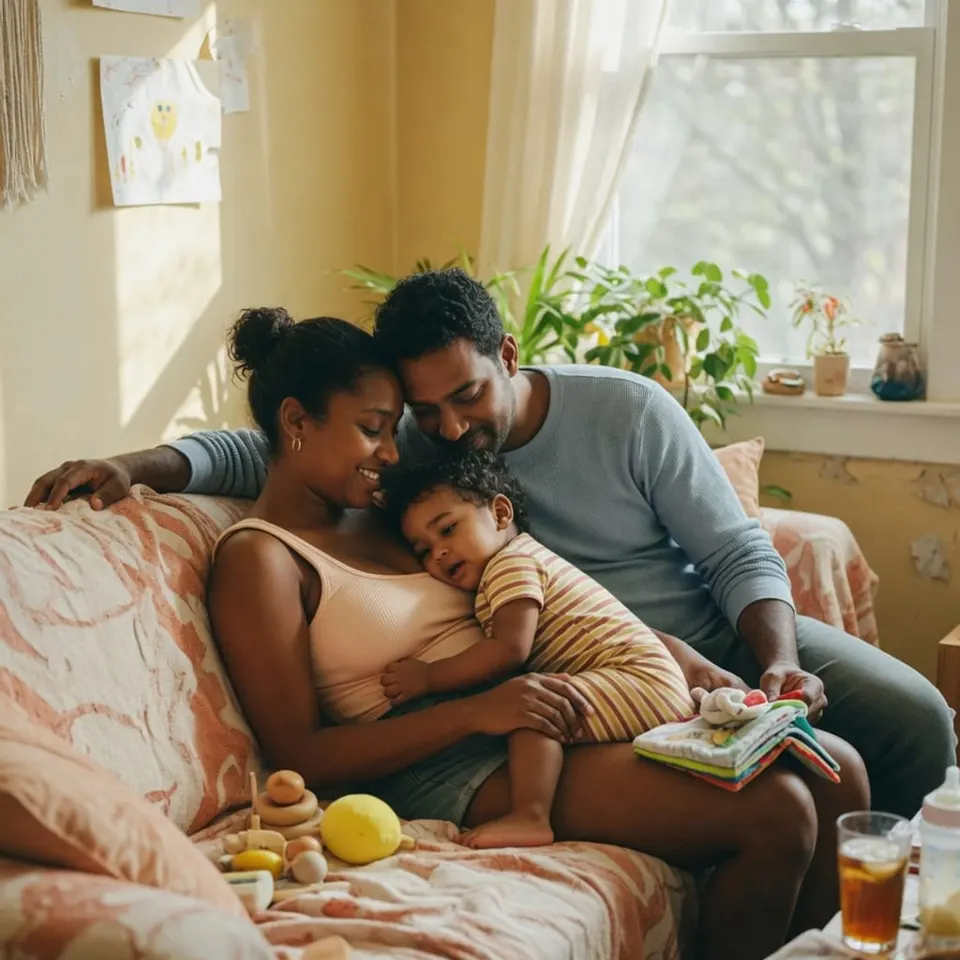
In short: Your first ABA therapy session typically begins with a BCBA conducting a detailed assessment to understand your child's strengths and needs. The therapist will then create a personalized plan, and you'll see play-based activities designed to build communication, social, and daily living skills. Our free service helps you find a vetted, BCBA-led provider that accepts your insurance, including Medicaid.
Key takeaways
- The first ABA session is an assessment, not full therapy; the BCBA observes your child and interviews you.
- Prepare by gathering medical records, insurance info, and a list of your child's favorite toys and motivators.
- ABA is covered by most insurance plans, including Medicaid, and our free service can help you find in-network providers.
- Expect the BCBA to explain the treatment plan, goals, and data collection methods before therapy begins.
What Is ABA Therapy and Why Is the First Session Important?
Applied Behavior Analysis (ABA) therapy is a scientifically proven approach to help children with autism develop essential skills in communication, social interaction, and daily living. The first session is crucial because it sets the foundation for a successful therapy journey. During this initial meeting, a Board Certified Behavior Analyst (BCBA) will conduct a comprehensive assessment to understand your child's unique strengths, challenges, and preferences. This isn't just a formality-it's the blueprint for all future sessions. Our free service, ABA Care Near Me, can match you with a vetted BCBA-led provider who will guide you through this process.

🔗 Related reading: 3 Year Old Not Responding to Name: ABA Therapy Guide · Local ABA Therapy
How to Prepare for Your First ABA Therapy Session
Gather Important Documents
Before the first session, collect your child's medical records, any previous evaluations (like a diagnostic report from a developmental pediatrician), and your insurance card. If your child has an Individualized Education Program (IEP) or 504 plan, bring that too. This helps the BCBA understand your child's history and current support system.
Create a Motivator List
ABA therapy uses positive reinforcement, so knowing what motivates your child is key. Write down their favorite toys, snacks, activities, or even specific songs. For example, if your child loves bubbles or a particular puzzle, mention it. This helps the therapist build rapport and keep your child engaged.
Prepare Your Child (and Yourself)
Talk to your child about the visit in a simple, positive way. Use social stories or visual schedules if that helps. For yourself, prepare a list of questions: How often will sessions be? What are the goals? How will you track progress? Remember, you are a vital part of the team.
What Happens During the First ABA Therapy Session?
The Initial Assessment
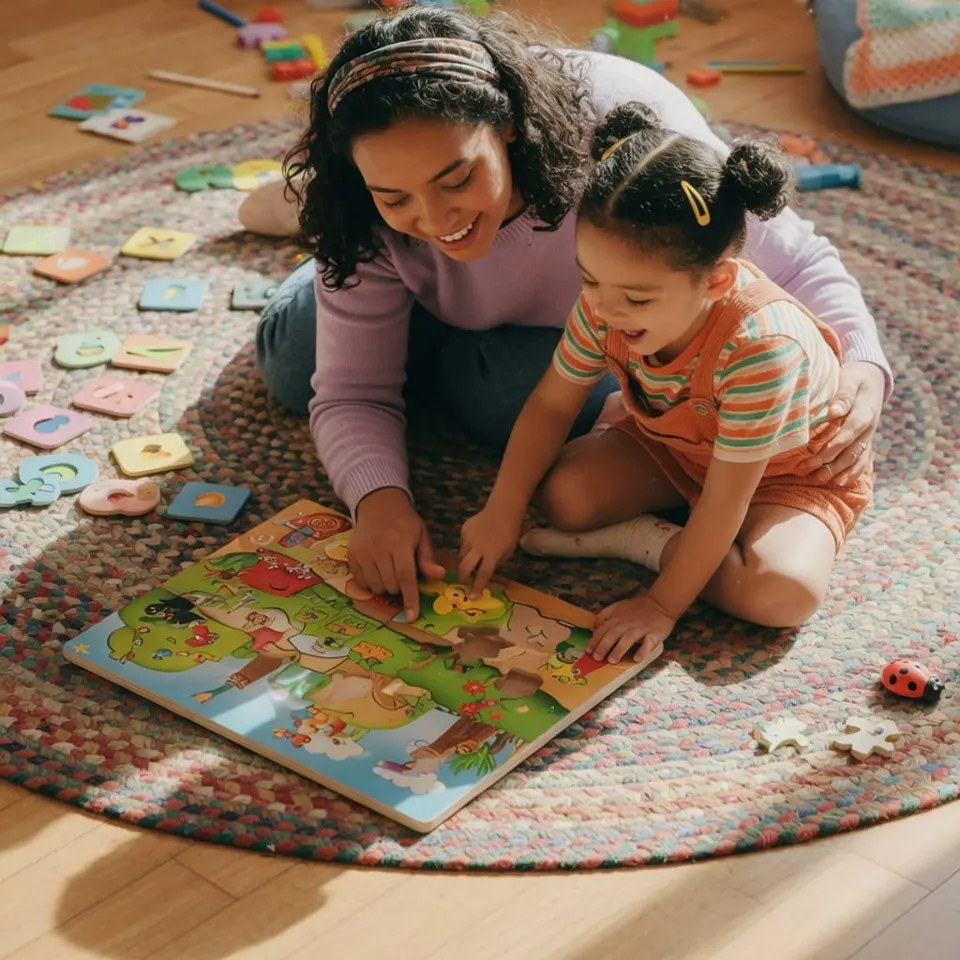
The first session is primarily an assessment. The BCBA will observe your child in a natural setting-often at home, in a clinic, or at school. They'll watch how your child plays, communicates, and responds to instructions. They may also ask you to demonstrate typical routines, like mealtime or bedtime. This is not a test; it's a chance for the therapist to see your child's world.
Parent Interview
You'll have a detailed conversation with the BCBA about your concerns, goals, and daily challenges. Be honest about what's working and what's not. For instance, if your child has meltdowns during transitions, share that. The BCBA will use this information to design a personalized treatment plan.
Data Collection and Goal Setting
The BCBA will take notes and may use simple data sheets to track behaviors. They'll explain how they measure progress-like counting how many times your child makes eye contact or follows a direction. By the end of the session, you should have a clear idea of the initial goals, which might include increasing communication, reducing challenging behaviors, or teaching self-help skills.
🔗 Related reading: ABA Therapy While Waiting for Evaluation: What to Do · Nearby ABA Therapy
What to Expect After the First Session
The Treatment Plan
Within a few days, the BCBA will provide a written treatment plan. This document outlines specific goals, the number of hours recommended per week, and the strategies to be used. It's a living document that will be updated as your child progresses. Our free service can help you find a provider who creates transparent, family-centered plans.
Parent Training and Involvement
ABA therapy isn't just for the child-it's for the whole family. You'll likely be asked to participate in parent training sessions where you learn techniques to reinforce skills at home. This might include how to use prompting, reinforcement, or visual supports. The more consistent you are, the faster your child will progress.
Insurance and Costs
ABA therapy is covered by most insurance plans, including Medicaid, under the mental health or autism benefit. Your provider's billing team will verify your coverage and explain any copays or deductibles. If you're unsure where to start, our free matching service can connect you with providers who accept your insurance, saving you hours of phone calls.
Common Mistakes to Avoid When Starting ABA Therapy
- Not asking enough questions: You have the right to understand every aspect of the therapy. Ask about the BCBA's experience, the ratio of therapists to children, and how they handle challenging behaviors.
- Expecting immediate results: ABA is a gradual process. Celebrate small wins, like a new word or a successful transition. Progress takes time.
- Ignoring your own needs: Caring for a child with autism can be exhausting. Use parent training as a support system, and don't hesitate to seek respite care or counseling.
- Choosing a provider without vetting: Not all ABA providers are equal. Look for BCBA-led teams with low turnover and a family-centered approach. Our free service vets providers to ensure quality.
How Our Free Service Helps You Find the Right ABA Provider
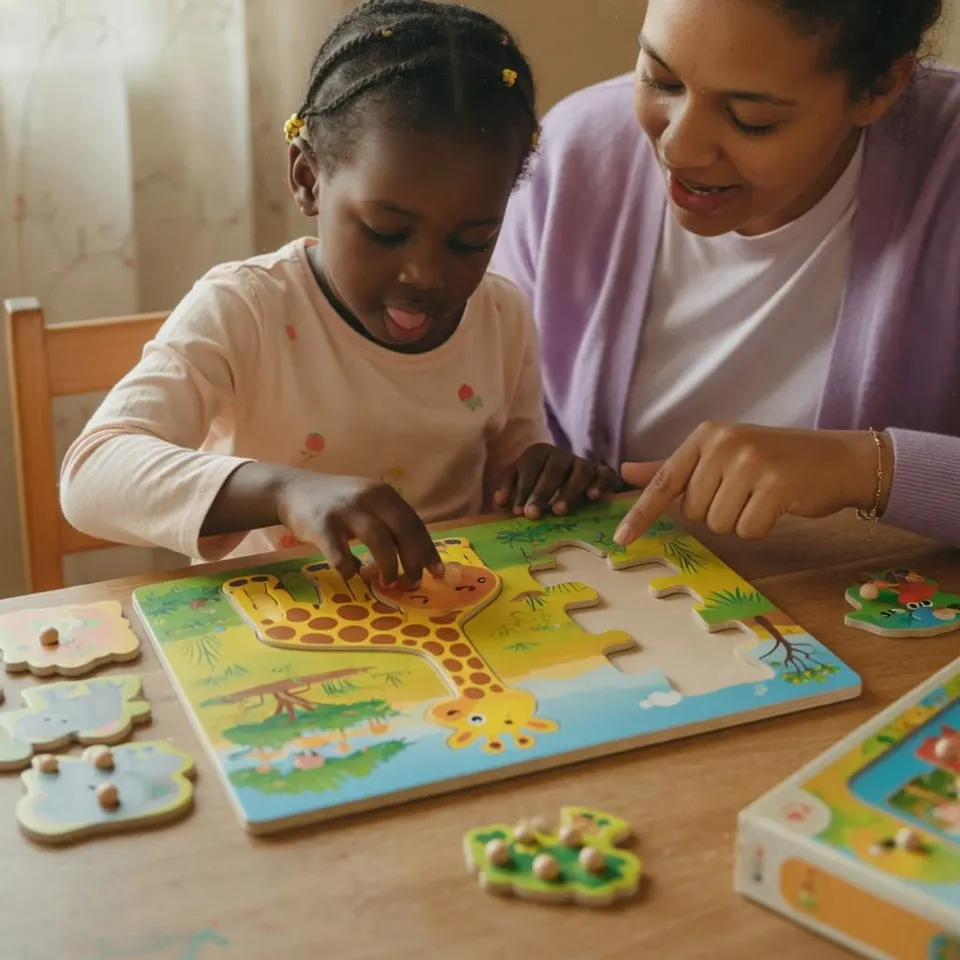
At ABA Care Near Me, we understand that starting therapy can feel overwhelming. That's why we offer a free, no-obligation matching service. Simply tell us your location, insurance, and preferences, and we'll connect you with vetted, BCBA-led providers in your area. We handle the research so you can focus on your child. Whether you're in Los Angeles County, California, or anywhere else in the U.S., we're here to help.
Final Thoughts: You Are Not Alone
The first ABA therapy session is a big step, but it's also the beginning of a supportive journey. With the right preparation and a trusted provider, your child can thrive. Remember, you are your child's best advocate. Use our free service to find a provider who respects your family's values and works collaboratively with you. You've got this.