ABA Therapy for a 5-Year-Old in Nebraska: Your Complete Guide

In short: ABA therapy is a proven, evidence-based approach to help 5-year-olds with autism develop communication, social, and daily living skills. In Nebraska, it's often covered by Medicaid (Heritage Health) and many private insurance plans. ABA Care Near Me is a free service that can match you with a vetted, BCBA-led provider.
Key takeaways
- ABA therapy uses positive reinforcement to teach essential skills and reduce challenging behaviors.
- Starting therapy at age 5 capitalizes on early brain plasticity for lasting gains.
- Nebraska's Medicaid program (Heritage Health) and most private insurers cover ABA therapy for children with autism.
- A free matching service like ABA Care Near Me can connect you with a BCBA-supervised provider in your area.
Find your child's ABA provider in Nebraska
About 60 seconds · free & confidential
- ✓ Vetted, BCBA-led providers
- ✓ In-home, center & telehealth
- ✓ No obligation, ever
What Is ABA Therapy and Why Is It Effective for 5-Year-Olds?
Applied Behavior Analysis (ABA) is a scientifically validated therapy that focuses on improving socially significant behaviors. For a 5-year-old, this often means building communication skills, increasing social interactions, and learning daily routines. ABA breaks down complex skills into small, teachable steps and uses positive reinforcement to encourage progress. At age 5, children are still in a critical window of brain development, making this an ideal time to introduce structured learning. Research consistently shows that early intensive ABA can lead to substantial improvements in language, cognitive abilities, and adaptive behavior.
What Makes ABA Different From Other Therapies?
While speech or occupational therapy target specific areas, ABA takes a holistic approach. It analyzes the relationship between a child's environment and their behavior, then systematically teaches replacement behaviors. A Board Certified Behavior Analyst (BCBA) oversees the program, ensuring it is individualized and data-driven. Parents in Nebraska often find that ABA complements other therapies well, creating a comprehensive support system for their child.
🔗 Related reading: ABA Meltdowns in 12-Year-Olds: Parent Guide · Local ABA Therapy
Typical Goals and Skills Addressed in ABA at Age 5
An ABA program for a 5-year-old is tailored to their unique needs, but common goals include:
- Communication: Requesting items, answering questions, initiating conversations.
- Social skills: Turn-taking, sharing, reading social cues, playing cooperatively.
- Daily living: Dressing, brushing teeth, toileting, following routines.
- Academic readiness: Sitting for group activities, following instructions, basic pre-literacy and math skills.
- Behavior reduction: Decreasing tantrums, aggression, or self-stimulatory behaviors that interfere with learning.
Progress is measured through continuous data collection, and goals are updated every few months. In Nebraska, many ABA providers collaborate with school teams to align goals with the child's Individualized Education Program (IEP).
Looking for ABA therapy for your child? We match families with vetted, BCBA-led providers near you.
Get matched freeHow ABA Therapy Works: A Day in the Life
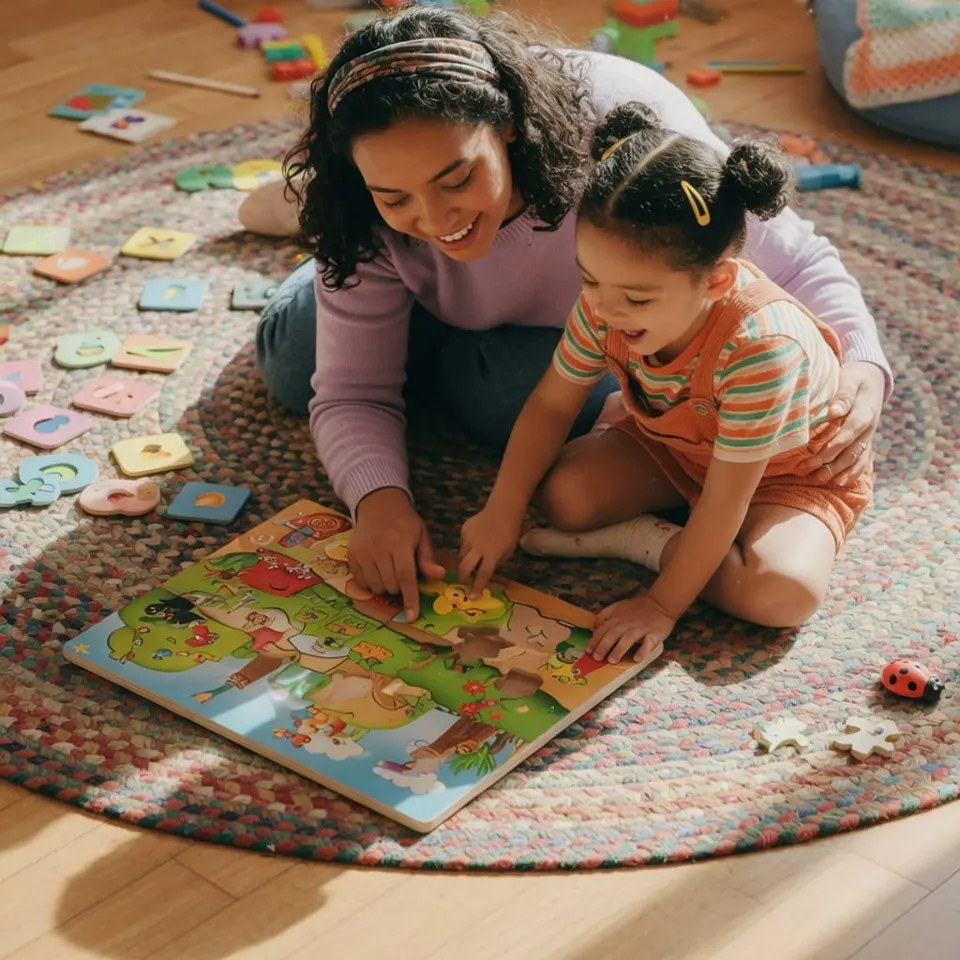
ABA sessions can take place in various settings. A typical day for a 5-year-old might include a mix of one-on-one therapy at home, a clinic, or a preschool classroom. Sessions are usually 2-4 hours long, several days a week, depending on the intensity recommended by the BCBA.
During a session, a trained therapist (often called a Registered Behavior Technician or RBT) works directly with the child. They use naturalistic teaching, discrete trial training, and incidental learning to build skills. For example, during snack time, the therapist might prompt the child to request a preferred food using words or a picture exchange system. Positive reinforcement, like praise or a small toy, follows correct responses. The BCBA regularly reviews data and adjusts strategies to keep the child engaged and progressing.
Parents are encouraged to participate in sessions and learn strategies to use at home. Many providers in Nebraska offer parent training as part of the program, helping families maintain consistency across environments.

🔗 Related reading: Best ABA Therapy in Florida for Your 4-Year-Old · Nearby ABA Therapy
Insurance and Medicaid Coverage for ABA in Nebraska
One of the biggest concerns for families is cost. Fortunately, Nebraska requires many health insurance plans to cover ABA therapy for autism. The Nebraska Autism Insurance Mandate (LB 254) applies to large group plans, and many private insurers also include ABA as a benefit. It's important to call your insurance company directly to confirm coverage details, deductibles, and copays.
For families with limited financial resources, Nebraska's Medicaid program, Heritage Health, covers ABA therapy for children with an autism diagnosis. You will need a formal diagnosis from a qualified professional (e.g., developmental pediatrician, psychologist). Once diagnosed, your child can receive ABA services through Medicaid-funded providers. The state also offers early intervention services through the Nebraska Early Development Network for children under 3, but for a 5-year-old, the school district's special education preschool or kindergarten may provide additional support.
Because navigating insurance can be tricky, a free matching service like ABA Care Near Me can help you find providers who accept your insurance and have experience with Nebraska's Medicaid system.
How to Choose a BCBA-Led Provider in Nebraska
Selecting the right ABA provider is crucial for your child's progress. Look for these key indicators:
- BCBA oversight: Every client should have a master's-level BCBA designing and supervising their program.
- Individualized assessment: The provider should conduct a functional behavior assessment (FBA) and create a personalized treatment plan.
- Experience with 5-year-olds: Providers who specialize in early childhood will have age-appropriate materials and approaches.
- Family collaboration: Effective ABA involves regular parent training and communication.
- Cultural and linguistic fit: Some Nebraska providers offer bilingual services or understand rural family dynamics.
ABA Care Near Me can simplify this process. By filling out a short online form, you'll be connected with vetted, BCBA-led providers near you. The service is completely free and designed to save you hours of research.

Common Mistakes to Avoid When Starting ABA Therapy
Many parents enter the ABA world without knowing what to expect. Here are pitfalls to avoid:
- Waiting too long: Even if your child is already 5, starting now is better than waiting. Early intervention is key, but progress is still possible at this age.
- Choosing a provider solely based on location: A convenient clinic may not have BCBA supervision you trust. Prioritize quality over distance.
- Not tracking insurance details: Get pre-authorization and understand your out-of-pocket costs before starting.
- Neglecting parent training: ABA works best when strategies are used consistently at home. Attend all parent training sessions.
- Expecting immediate results: ABA is a process that requires patience. Celebrate small wins and trust the data.
Supporting Your Child's Progress at Home and School
Consistency across settings helps a 5-year-old generalize skills. Work with your ABA team to incorporate simple strategies into daily routines. For example, use visual schedules to reduce anxiety, offer choices to build independence, and practice requesting with pictures or words. Regular communication with your child's school team ensures that goals align and that teachers can reinforce the same skills.
Nebraska has parent support groups and resources through organizations like the Autism Center of Nebraska and the Nebraska Autism Coalition. Connecting with other families can provide emotional support and practical tips.
Finally, remember that you are not alone. Services like ABA Care Near Me exist to help you find the right provider quickly and without cost. Whether you live in Omaha, Lincoln, Grand Island, or a rural town, quality ABA therapy for your 5-year-old is within reach.