Missouri First Steps ABA Therapy: What Families Should Know

In short: Missouri First Steps is a free early intervention program for children under age 3 with developmental delays, including autism. It can cover ABA therapy to help build communication, social, and daily living skills. Families can then use a free referral service like ABA Care Near Me to find a BCBA-led provider that accepts First Steps funding.
Key takeaways
- Missouri First Steps provides free early intervention for eligible children birth to 3 with diagnosed delays or conditions.
- ABA therapy is a covered service under First Steps when deemed medically necessary for autism or related needs.
- Services are delivered by qualified providers, including BCBAs, in natural settings like the child's home or daycare.
- Families work with a service coordinator to develop an Individualized Family Service Plan (IFSP) that includes ABA goals.
Find your child's ABA provider in Missouri
About 60 seconds · free & confidential
- ✓ Vetted, BCBA-led providers
- ✓ In-home, center & telehealth
- ✓ No obligation, ever
What Is Missouri First Steps?
Missouri First Steps is the state's early intervention program for infants and toddlers from birth to age 3 who have a diagnosed condition or developmental delay. It is part of the federal Individuals with Disabilities Education Act (IDEA) Part C program and is administered by the Missouri Department of Elementary and Secondary Education (DESE). The program aims to support families in helping their child reach developmental milestones through a range of therapies and services.
Who Is Eligible?
Children qualify for First Steps if they have a diagnosed physical or mental condition that has a high probability of resulting in developmental delay (such as autism spectrum disorder), or if they demonstrate a delay of 50% or more in one or more areas of development (cognitive, communication, physical, social-emotional, or adaptive). Eligibility is determined through a free multidisciplinary evaluation.
How Does ABA Therapy Fit In?
Applied Behavior Analysis (ABA) therapy is one of the services that First Steps can cover when it is deemed medically necessary to address behaviors or skills related to autism or other conditions. ABA focuses on increasing positive behaviors, communication, and learning while reducing challenging behaviors. It is delivered one-on-one by a Board Certified Behavior Analyst (BCBA) or supervised therapists.
🔗 Related reading: Single Parent ABA Therapy Logistics Help · Local ABA Therapy
Getting Started with First Steps
Referral and Evaluation
The first step is to contact the regional First Steps office. You can call the statewide toll-free number or visit the DESE website to find your local point of entry. A service coordinator will guide you through a free developmental evaluation. If your child is found eligible, a team will meet with you to create an Individualized Family Service Plan (IFSP).
What the IFSP Includes
The IFSP outlines your child's strengths and needs, the family's concerns and priorities, and specific outcomes or goals. If ABA therapy is recommended, the IFSP will specify the frequency, duration, and location of services (often in the home or community setting). The plan is reviewed every six months and updated at least annually.
Looking for ABA therapy for your child? We match families with vetted, BCBA-led providers near you.
Get matched freeCosts and Insurance for First Steps ABA
Missouri First Steps is provided at no cost to families for evaluation and service coordination. However, for ongoing therapy services, they use a sliding fee scale based on family income and insurance. Many private insurance plans, including those that cover ABA, may be billed first. Medicaid (MO HealthNet) also covers ABA for eligible children, and First Steps coordinates with those payers. The program cannot deny services due to inability to pay.
Important Note
You do not need to wait for a formal autism diagnosis to start the process. If a delay is suspected, request an evaluation. Early intervention is key to better outcomes. After your IFSP is in place, you will need to find a qualified ABA provider who works with First Steps. This is where a free referral service like ABA Care Near Me can help connect you with vetted BCBA-led providers.
🔗 Related reading: School District ABA Refusal? What to Do in NY · Nearby ABA Therapy
What to Expect from ABA Therapy Through First Steps
Natural Environment Focus
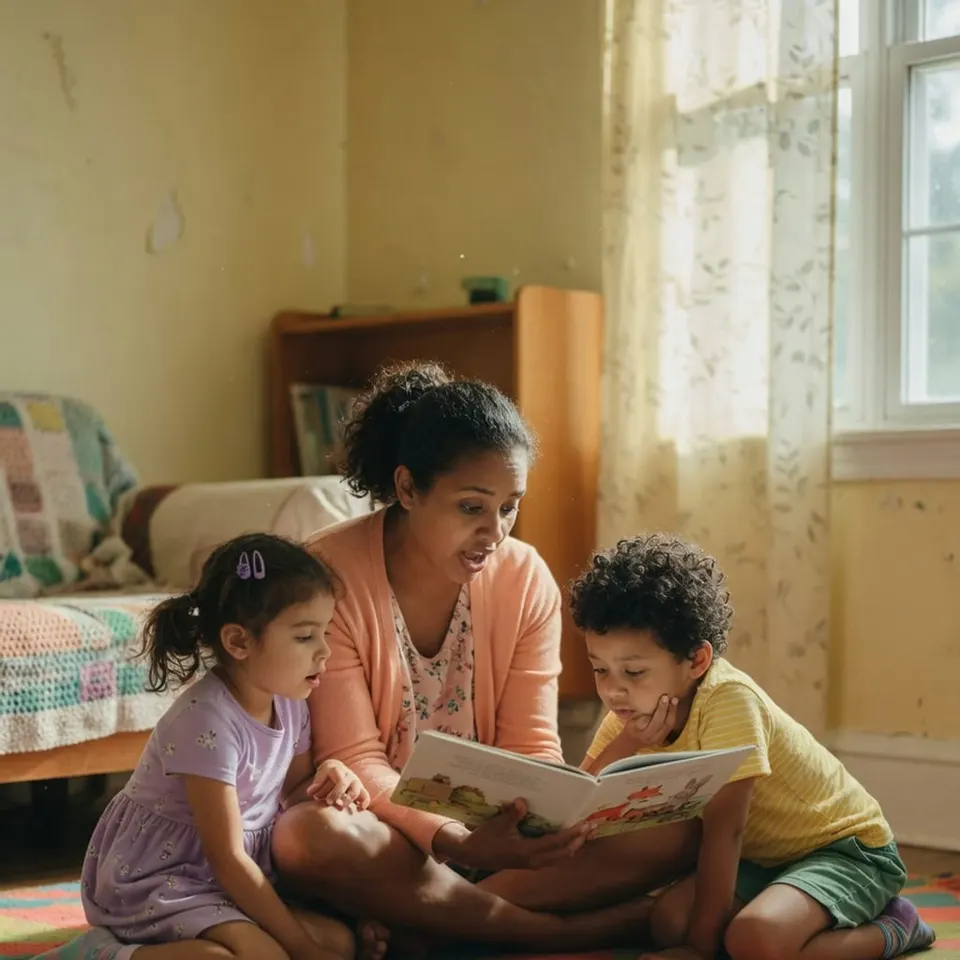
Services under First Steps are required to be provided in natural environments, meaning your child's typical settings such as your home, daycare, or park. ABA therapists will embed learning into daily routines like mealtime, play, and bath time. This makes the therapy practical and functional for your family.
Parent Training and Involvement
A strong component of First Steps ABA is parent training. The BCBA will teach you strategies to support your child's development throughout the day. You are considered an active part of the therapy team, and your input shapes the goals and methods used.
Common Mistakes Families Should Avoid
- Waiting too long to start the evaluation process - Even a few months delay can miss critical developmental windows. Call First Steps as soon as you suspect a delay.
- Assuming ABA is not covered - Many families don't realize First Steps does cover ABA if it's medically necessary. Always ask your service coordinator about ABA options.
- Not exploring provider options - The First Steps team provides a list of enrolled providers, but you have the right to choose. Using a free matching service can help you find a BCBA-led practice that truly fits your family's needs.
- Neglecting the IFSP review - Your child's needs change quickly. Attend every six-month review and advocate for adjustments to goals or therapy intensity.

Tips for a Successful Experience
- Ask questions - The evaluation and IFSP meetings can feel overwhelming. Write down questions and bring a friend or family member for support.
- Keep a communication log - Track your child's progress and any concerns between visits to share with the therapist and service coordinator.
- Stay organized - Keep all paperwork, evaluations, and IFSP documents in one binder. This helps when transitioning to preschool special education after age 3.
- Connect with other parents - Seek out local support groups for families of children with autism. They can share firsthand experiences with First Steps and ABA providers.
Transitioning Out of First Steps
When your child turns 3, they will transition from First Steps to preschool special education services through your local school district. The IFSP team will help plan this transition at least 90 days before the third birthday. Some children may continue ABA therapy through private insurance or Medicaid if it remains medically necessary. Your service coordinator and BCBA can assist with the transition plan.
How ABA Care Near Me Can Help
Finding a qualified ABA provider that accepts Missouri First Steps funding can be challenging. ABA Care Near Me is a free service that matches families with vetted, BCBA-led therapy providers in your area. We handle the research and screening so you can focus on getting started. Simply fill out a short form, and we'll connect you with providers who are experienced with First Steps and have availability. There is no cost or obligation. Let us help you navigate this journey.