How to Support Your Child's ABA Therapy at Home: A Parent's Guide

In short: ABA therapy is most effective when parents are involved in implementing strategies at home. By working with your child's BCBA, you can carry over techniques, reinforce positive behaviors, and create a consistent environment. Your role is not to become a therapist, but to be a supportive partner in your child's development.
Key takeaways
- Consistency across home and clinic settings boosts skill generalization for your child.
- Partner with your child's BCBA to learn specific strategies tailored to your family's routines.
- Use natural moments like mealtime or play to embed learning without added pressure.
- Prioritize positive reinforcement over punishment to encourage desired behaviors.
Find your child's ABA provider
About 60 seconds · free & confidential
- ✓ Vetted, BCBA-led providers
- ✓ In-home, center & telehealth
- ✓ No obligation, ever
ABA (Applied Behavior Analysis) therapy is a proven, evidence-based approach that helps children with autism build essential skills. While sessions with a Board Certified Behavior Analyst (BCBA) or a Registered Behavior Technician (RBT) are critical, the real magic happens when those strategies are carried over into daily home life. As a parent, you are not expected to become a therapist, but your active, informed involvement can significantly amplify your child's progress. This guide will walk you through exactly what your role entails, how to collaborate effectively with your child's provider, and practical ways to integrate ABA principles into your home environment. Remember, services like ABA Care Near Me are here to help you find a vetted, BCBA-led provider that fits your family's unique needs and insurance coverage.
Why Your Involvement Matters in ABA Therapy
Children learn best when skills are practiced across different people, places, and times. This is called generalization. When you reinforce the same goals your child works on with their therapist, you help them apply those skills in real-world situations like mealtime, bedtime, or playdates. Your involvement also ensures that therapy respects your family's values, routines, and cultural context. Studies consistently show that parent participation leads to faster skill acquisition and longer-lasting results.
Building a Strong Partnership with Your BCBA
Your child's BCBA is your ally, not an authority figure who dictates what you should do. A good BCBA will ask about your family's goals, daily schedule, and any challenges you face. Ask questions freely: What are the top three skills we should work on at home? How can I respond when my child has a meltdown? What does success look like for this goal? Most BCBAs provide parent training sessions-take full advantage of them. You might even request brief video demonstrations or written scripts for specific prompts. If you ever feel overwhelmed, let the team know; they can adjust expectations and provide more support.

🔗 Related reading: Free & Low-Cost Autism Services in Texas: A Guide · Local ABA Therapy
Practical Strategies for Implementing ABA at Home
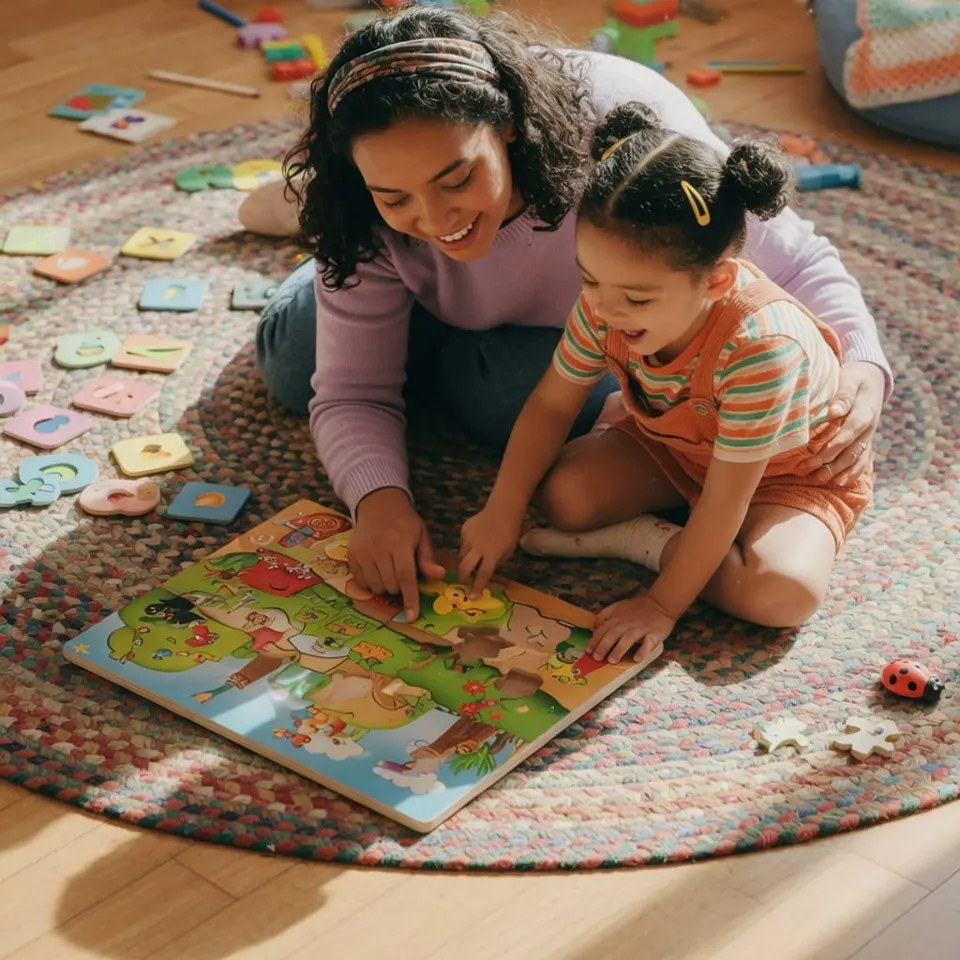
You don't need to set aside hours of formal "therapy time." Instead, embed learning into everyday moments. Here are concrete ways to do that:
- Use natural routines: Practice requesting during snack time, turn-taking during board games, or dressing independently in the morning.
- Set up the environment: Keep preferred toys visible but out of reach so your child is motivated to ask. Use visual schedules for transitions.
- Pair yourself with reinforcement: Before asking anything difficult, spend a few minutes doing something your child loves. This builds trust and cooperation.
- Be consistent with consequences: If a behavior gets a response from you today, it should get the same response tomorrow. Consistency is key for learning.
- Use simple, clear language: Say "Sit, please" instead of "Can you please come over here and sit down?" Keep instructions short.
Reinforcement: What Works and What Doesn't
Reinforcement is the heart of ABA. Find out what truly motivates your child-it might be a specific toy, a song, a tickle, or even your enthusiastic praise. Reinforce the behavior you want to see immediately after it happens. For instance, if your child puts their shoes on without a prompt, say "Great job putting on your shoes!" right away and maybe give a high-five. If you delay, the connection is weaker. Avoid using punishment (like scolding or removal of privileges) unless specifically recommended by your BCBA; positive reinforcement is almost always more effective for building skills.
Looking for ABA therapy for your child? We match families with vetted, BCBA-led providers near you.
Get matched freeCreating a Supportive and Consistent Home Environment
Consistency doesn't mean rigidity. It means predictable routines, clear expectations, and similar consequences across caregivers. Work with your partner, grandparents, or babysitters so everyone uses the same language around common behaviors. A visual schedule posted on the wall can help your child know what comes next. Also, designate a calm-down corner with sensory items if meltdowns happen. And importantly, ensure siblings understand their role in a compassionate way-they are not mini-therapists but supportive family members.
Managing Challenging Behaviors at Home
When your child engages in problem behavior (tantrums, aggression, self-stimulation), your first step is to stay calm. Your BCBA will help you determine the function of the behavior: Is it to get attention? To escape a task? To access a sensation? Once you know the "why," you can teach a replacement behavior. For example, if your child yells to get your attention, model saying "Excuse me" or tapping your arm. Then, reinforce that appropriate communication. Never ignore unsafe behavior, but do work with your BCBA on a safety plan if needed.
🔗 Related reading: 3 Year Old Not Talking But Babbling? ABA Can Help · Local ABA Therapy
Common Mistakes Parents Make (and How to Avoid Them)
It's natural to feel pressure, but steering clear of these pitfalls will make the journey smoother:
- Trying to do too much too soon: Begin with one or two simple goals. Master them before adding more. Burnout helps no one.
- Becoming overly focused on "perfect" data: While tracking is helpful, you don't need to record every single trial. A quick note on a sticker chart or a shared app is enough.
- Comparing your child to others: Every child's path is different. Celebrate small wins that matter for your family.
- Forgetting to reinforce yourself: Parenting is hard. Take breaks, seek respite care, and connect with other parents. Your well-being directly affects your child's progress.
- Ignoring your own intuition: If a strategy feels wrong or isn't working, speak up. A good BCBA will listen and adapt.
Navigating Insurance and Funding for ABA Therapy
ABA therapy is widely covered by private insurance plans, and many states also provide coverage through Medicaid (called different names like "EPSDT" or "Medicaid waiver" in your area). Most insurance plans require a formal diagnosis of autism and a prescription or referral. Parent training is often a billable service, so ask your provider if they can allocate time for coaching you. If you are concerned about costs or coverage, a free matching service like ABA Care Near Me can help you connect with providers who accept your plan, including Medicaid. They can also clarify common terms like deductibles, co-pays, and prior authorization, so you feel confident moving forward.

How a Matching Service Like ABA Care Near Me Supports You
Finding the right ABA provider can be overwhelming, especially when you're already juggling appointments and daily life. ABA Care Near Me is a free, no-obligation service that puts you in touch with vetted, BCBA-led therapy centers in your area. You simply share your location, your child's age, and your insurance info (including Medicaid), and they send you options tailored to your needs. Their network includes providers who emphasize family collaboration and parent training. Using a matching service saves you hours of research and helps ensure the provider you choose aligns with your values and schedule. Once you find a good fit, you can build the strong parent-provider partnership described in this guide.
Final Thoughts: You Are Your Child's Best Advocate
Your role at home is not to replicate a clinic, but to weave ABA principles into the fabric of your family life. With the support of a skilled BCBA, consistent practice, and a little self-compassion, you can help your child thrive. Remember that small, daily efforts add up. And if you ever feel stuck, reach out to your provider-or to a free matching resource like ABA Care Near Me-to find the support you need. You are not alone on this journey.