What Is ABA Therapy? A Complete Guide for Parents
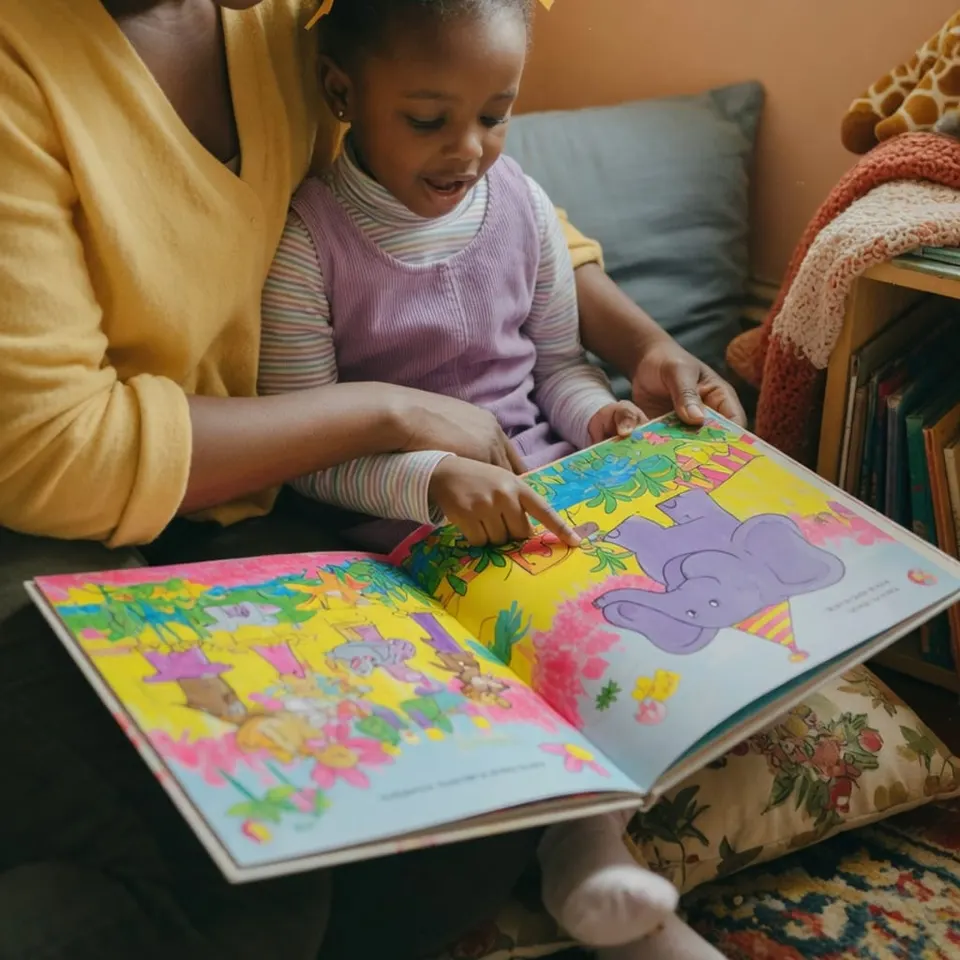
In short: ABA (Applied Behavior Analysis) therapy uses scientific principles to increase helpful behaviors and reduce harmful ones, often helping children with autism build communication, social, and daily living skills. It is typically covered by insurance and Medicaid in most states, and a free service like ABA Care Near Me can match you with vetted BCBA-led providers.
Key takeaways
- ABA therapy is evidence-based and widely recognized as a gold-standard treatment for autism by the U.S. Surgeon General and the CDC.
- Therapy is led by a Board Certified Behavior Analyst (BCBA) and delivered by trained Registered Behavior Technicians (RBTs).
- ABA is typically provided 10-40 hours per week, depending on the child's needs; it can be done at home, school, clinic, or community.
- Most private insurance plans cover ABA under the autism benefit; Medicaid in states like Texas covers it through programs like Early Childhood Intervention (ECI) or STAR Kids.
What Is ABA Therapy, Exactly?
ABA stands for Applied Behavior Analysis. It is a scientific, evidence-based approach to understanding and improving behavior. Think of it as a tool kit for teaching new skills-everything from communication and social interaction to self-care and academic tasks-while also reducing behaviors that might interfere with learning or safety. ABA is not a one-size-fits-all therapy. Instead, it is individualized: a Board Certified Behavior Analyst (BCBA) assesses your child's unique strengths and challenges, then designs a plan that uses positive reinforcement to encourage wanted behaviors and decrease unwanted ones.
How ABA Works (Without the Jargon)
Imagine you want to teach your child to say 'more' instead of whining for a snack. A BCBA might break that skill into tiny steps: first, they model the word, then prompt your child to say it, and when they do, immediately give the snack-a positive consequence. Over time, your child learns that using words gets them what they want faster than whining. This same principle applies to everything from potty training to asking a peer to play. The goal is always to build independence and quality of life.

🔗 Related reading: California ABA Insurance Mandates: Your Coverage Rights · Find ABA Near Me
Why Is ABA Therapy Recommended for Autism?
The U.S. Surgeon General and the American Academy of Pediatrics endorse ABA as a best-practice treatment for autism spectrum disorder. Why? Because decades of research show that intensive, early intervention using ABA can lead to significant gains in language, social skills, and cognitive abilities. It helps kids generalize skills across different settings-home, school, and community. ABA is not about 'changing who your child is'; it's about giving them tools to navigate a world that isn't always autism-friendly.
Common Misconceptions
- ABA is not about 'conditioning' like a robot. Modern ABA is play-based, child-led, and built on positive reinforcement-not punishment. It uses natural rewards like praise or favorite activities to motivate learning.
- ABA is not one-size-fits-all. Every plan is tailored to your child's age, interests, and specific goals. A toddler learning to point may have a very different program than a teen learning to use public transport.
- ABA is not just for young children. While early intervention (before age 5) is ideal, ABA can help kids, teens, and even adults with autism learn new skills or manage challenging behaviors.
What Does ABA Therapy Look Like in Practice?
Who Provides ABA?
The therapy team typically includes: a BCBA (Board Certified Behavior Analyst) who designs and oversees the program, and RBTs (Registered Behavior Technicians) who work directly with your child day-to-day under the BCBA's supervision. Sessions are one-on-one-not group instruction-because each child's needs are unique.
Where Does It Happen?
ABA can be delivered in multiple settings: at home (in-home therapy), in a clinic, at school (with teacher collaboration), or in the community (like at a park or store for generalization of skills). Many programs combine settings for maximum benefit. For example, a child might have clinic-based sessions for academics and in-home sessions for daily living skills like brushing teeth or dressing.
How Many Hours Per Week?
Intensity varies widely. For younger children with significant needs, the recommendation can be 20 to 40 hours per week. For others, 10 to 15 hours might suffice. Your BCBA will determine this based on assessment results, your family's schedule, and insurance requirements-many plans have limits on weekly hours.

🔗 Related reading: Summer & After-School ABA Programs in Texas · Local ABA Therapy
How to Get ABA Therapy Through Insurance and Medicaid
Does Insurance Cover ABA?
Yes-in most states. Since 2014, individual and small-group insurance plans (and many employer plans) must cover autism therapies, including ABA, as an essential health benefit under the Affordable Care Act. However, coverage varies by state and plan. Some plans require prior authorization, copays, or deductibles. Always check with your insurance carrier about specific ABA benefits, session limits, and network requirements.
Medicaid Coverage for ABA
Medicaid (including CHIP) covers ABA in all states that have a Medicaid autism benefit, which includes Texas, California, New York, Florida, Illinois, and many others. In Texas, for example, children with autism can access ABA through programs like STAR Kids or Early Childhood Intervention (ECI). However, waitlists can be long in some regions. That's where a free matching service like ABA Care Near Me can help-we connect you with vetted BCBA-led providers who accept your specific Medicaid plan and have current availability.
How to Verify Your Coverage
You can call your insurance company directly and ask: 'Does my plan cover applied behavior analysis for autism? What is the annual or lifetime cap? Do I need a referral or prior authorization?' Alternatively, use a free service like ABA Care Near Me-you provide your insurance info, and we match you with providers who are already in-network or have agreements with your plan, saving you hours of phone calls.
What to Expect During a Typical ABA Session
A session often begins with a 'pairing' period where the therapist builds rapport through play or preferred activities. Then they rotate between structured teaching (like discrete trial training-using clear instructions and rewards) and natural environment teaching (learning in everyday routines like snack time or cleanup). Data is taken on every target behavior so the BCBA can track progress and adjust the plan as needed. You'll likely receive a weekly or monthly report so you know what skills your child is working on.
Parent Involvement Is Key
You are a vital part of the team. BCBAs will train you on strategies to use at home-like how to prompt your child to request items or how to handle a meltdown without reinforcing the behavior. Research shows that outcomes improve significantly when parents are trained and involved. You are not expected to become a therapist overnight; you learn at your own pace with ongoing support.

How to Find a Vetted ABA Provider Near You
Finding the right provider can feel overwhelming. You want a clinic that is BCBA-led (meaning a BCBA is directly supervising care), has a positive reputation, and accepts your insurance. ABA Care Near Me is a free service that does the legwork: you fill out a simple form, and we match you with up to three vetted providers in your area who meet your needs. We check for things like BCBA supervision ratios, client reviews, and insurance compatibility-so you can focus on your child instead of paperwork.
Questions to Ask a Potential Provider
- How many hours of direct BCBA oversight does my child get per week? (Best practice: at least 10% of total therapy hours.)
- Do you provide parent training? (And how often?)
- What is your approach to communication and challenging behaviors?
- Can I observe a session?
- How do you handle transitions or changes in the team?
Common Mistakes to Avoid When Starting ABA
- Waiting too long. Early intervention is powerful, but starting ABA at any age can be helpful. Don't delay because you're unsure-your provider can help you decide.
- Choosing a provider based only on location or price. Quality matters more. Ensure the company has a BCBA on staff, low turnover, and a philosophy aligned with your family's values.
- Not prioritizing parent training. Some parents skip training because they're too busy. But your involvement directly boosts outcomes-even 20 minutes per week can make a difference.
- Going it alone with insurance. Use a free matching service like ABA Care Near Me to avoid claim denials and long phone waits. We can even help with prior authorization paperwork.
Final Thoughts on Starting ABA Therapy
ABA therapy is a journey-one that can be transformative for your child and your family. It is a tool for building skills, reducing frustration, and fostering independence. Whether your child is nonverbal or already verbal, ABA can meet them where they are. And remember: you don't have to do this alone. A free service like ABA Care Near Me can connect you with BCBA-led providers in your area who accept your insurance, including Medicaid. Start by completing a simple match request today.