What to Expect in Your Child's First ABA Session

In short: Your child's first ABA session is an assessment and relationship-building visit led by a Board Certified Behavior Analyst (BCBA). The BCBA will observe your child, talk with you about goals, and begin developing a personalized treatment plan. There's no pressure for your child to perform-it's about gathering information and starting a positive connection.
Key takeaways
- The first ABA session is primarily an assessment, not intensive therapy-your child is not expected to master any skills.
- A BCBA leads the session, often accompanied by a registered behavior technician (RBT) who will later provide direct therapy.
- You play a key role: sharing your child's history, preferences, and concerns helps shape an effective treatment plan.
- Insurance often covers ABA therapy, including the initial assessment; many states require coverage under Medicaid and private plans.
Find your child's ABA provider
About 60 seconds · free & confidential
- ✓ Vetted, BCBA-led providers
- ✓ In-home, center & telehealth
- ✓ No obligation, ever
Understanding ABA and the First Session
Applied Behavior Analysis (ABA) therapy is a scientifically validated approach to understanding and improving socially significant behaviors. For children with autism, ABA focuses on building communication, social, and daily living skills while reducing challenging behaviors. The first session is a crucial step in this journey-it's not about jumping into drills or demands. Instead, it's a time for the BCBA to get to know your child, learn about your family's goals, and begin crafting a personalized plan.
What Is ABA Therapy?
ABA uses principles of learning and motivation to teach new skills and decrease behaviors that interfere with learning or daily life. It is highly individualized and data-driven. Sessions are typically one-on-one with a trained therapist, supervised by a Board Certified Behavior Analyst (BCBA). The first session lays the foundation for this partnership.
Why the First Session Matters
The initial meeting sets the tone for the entire therapeutic relationship. It's an opportunity for the BCBA to build rapport with your child, for you to ask questions, and for everyone to feel comfortable. Rushing this process can lead to misunderstandings or a plan that doesn't fit your child's unique needs. A thoughtful first session ensures the therapy is truly tailored.

🔗 Related reading: Is ABA Therapy Covered by Medicaid in Colorado? · Local ABA Therapy
Who Will Be There?
During the first session, you will typically meet the BCBA who will oversee your child's program. In some cases, a registered behavior technician (RBT) who will deliver direct therapy may also be present. The BCBA will lead the assessment, while the RBT may assist with activities or take notes. You are encouraged to stay and participate-your insights are invaluable.
The Role of the BCBA
The BCBA holds a master's or doctoral degree in behavior analysis and is certified by the Behavior Analyst Certification Board. They are responsible for designing the treatment plan, training staff, and monitoring progress. During the first session, the BCBA will conduct interviews, observe your child, and may begin informal preference assessments to identify reinforcers (items or activities your child enjoys).
The Role of the RBT
RBTs work under the supervision of the BCBA and implement the therapy day-to-day. In the first session, the RBT may help with data collection or engage your child in play to build comfort. Over time, the RBT becomes a familiar and trusted figure for your child.
Looking for ABA therapy for your child? We match families with vetted, BCBA-led providers near you.
Get matched freeWhat Happens During the Session
The structure of the first session varies by provider, but most follow a similar flow. Expect a mix of conversation, observation, and light interaction. The session usually lasts 1-2 hours.
Initial Parent Interview
The BCBA will ask about your child's developmental history, current skills, challenges, and your top priorities. Be prepared to discuss what motivates your child, what triggers difficult behaviors, and what you hope therapy will achieve. This conversation guides the entire assessment.
Observation and Informal Assessment
The BCBA will watch your child in natural play or daily routines. They may present a few simple toys or activities to see how your child responds, communicates, and interacts. This is not a test-there are no right or wrong answers. The goal is to understand your child's strengths and areas where they need support.
Building Rapport
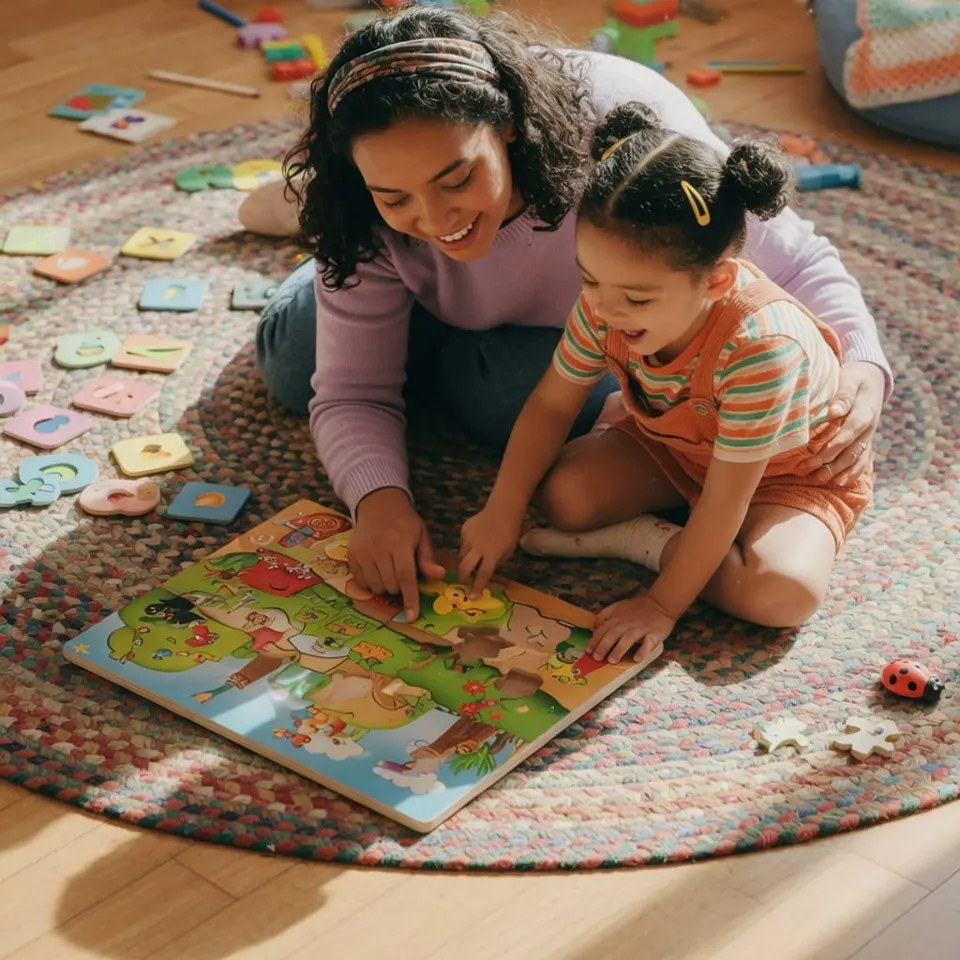
The BCBA and RBT will try to engage your child in preferred activities. They might blow bubbles, play with a favorite toy, or sing a song. This helps your child feel safe and begins to establish trust. If your child is hesitant, that's okay-the team will follow your child's lead.
Discussion of Next Steps
At the end of the session, the BCBA will share initial impressions and outline the next steps. They may schedule a follow-up meeting to review the full assessment and proposed treatment plan. You'll also discuss logistics like session frequency, location (home, clinic, school), and insurance authorization.
🔗 Related reading: Cigna ABA Therapy Ohio: Coverage & Limits Guide · Local ABA Therapy
How to Prepare Your Child and Yourself
Preparation can make the first session smoother for everyone. Here are practical tips.
Talk to Your Child in a Positive Way
Use simple, reassuring language. For example: 'Tomorrow we will meet a new friend who likes to play and learn together.' Avoid words like 'therapy' or 'doctor' if they cause anxiety. Bring a comfort item like a favorite toy or blanket.
Gather Key Documents
Have your child's diagnosis report, any previous therapy records, and insurance card ready. If your child has an Individualized Education Program (IEP) or Early Intervention plan, share that too. This information helps the BCBA understand your child's history.
Set Up the Environment
If the session is at home, tidy up the main play area and remove distractions if possible. Let the BCBA know about any safety concerns or triggers. If the session is at a clinic, arrive a few minutes early to help your child adjust.
Manage Your Own Expectations
Remember that the first session is about gathering information, not achieving goals. Your child may not interact much, and that's fine. Trust the process and be open to the BCBA's observations.
Questions to Ask the BCBA
Asking questions helps you feel informed and engaged. Here are some to consider.
- How will you involve me in my child's therapy? Look for a provider that values parent training and collaboration.
- How do you handle challenging behaviors? The BCBA should describe positive, reinforcement-based strategies, not punishment.
- What does a typical session look like after the assessment? Understand the balance of structured teaching and natural play.
- How often will we review progress? Expect regular data reviews and goal updates.
- What if my child is not responding to the approach? Good BCBAs adjust strategies based on your child's feedback.

Insurance and Costs: What You Need to Know
ABA therapy is often covered by private insurance, Medicaid, and state-funded programs. The first session is typically included in the initial assessment, which is a billable service. Many states have mandates requiring insurance to cover ABA for autism. If you're unsure about coverage, the free matching service at ABA Care Near Me can help you find providers who accept your plan.
Medicaid and Early Intervention
Medicaid (called by different names in each state, such as Medi-Cal in California or MassHealth in Massachusetts) often covers ABA therapy for children with an autism diagnosis. Early Intervention programs for children under three may also include ABA services. Check with your state's program for specifics.
Private Insurance
Most employer-sponsored plans and marketplace plans cover ABA, but you may need a prior authorization. The BCBA's office typically handles this paperwork. Be prepared to provide a copy of your child's diagnosis and a prescription for ABA therapy from a doctor.
Out-of-Pocket Costs
If you don't have insurance or your plan doesn't cover ABA, some providers offer sliding-scale fees or payment plans. The matching service can help you find affordable options. Never hesitate to ask about financial assistance.
Common Concerns and Mistakes to Avoid
Parents often worry about the first session. Here are some common concerns and how to address them.
Fear That ABA Will Be Too Demanding
Modern ABA is child-led and play-based. The first session is low-pressure. If you see any provider pushing too hard, that's a red flag. A good BCBA respects your child's comfort level.
Worry About Your Child's Behavior
Your child may cry, refuse to engage, or have a meltdown. That's normal. The BCBA is trained to handle these situations with patience and compassion. They will not judge you or your child.
Expecting Immediate Progress
ABA is not a quick fix. Meaningful change takes time, consistency, and collaboration. Celebrate small wins along the way.
Not Asking Enough Questions
You are your child's best advocate. If something is unclear, ask. A transparent provider welcomes your curiosity.
Forgetting to Take Care of Yourself
Starting therapy can be emotionally draining. Make sure you have support-whether from a partner, friend, or support group. Your well-being matters too.
Next Steps After the First Session
After the initial visit, the BCBA will write a comprehensive assessment report. This document outlines your child's strengths, needs, and recommended goals. You'll meet to review the report and sign off on the treatment plan. Then therapy sessions can begin, typically 10-30 hours per week depending on your child's needs and insurance authorization.
Throughout the process, ABA Care Near Me is here to help. As a free matching service, we connect families with vetted, BCBA-led providers in your area. Whether you're just starting or switching providers, we can simplify your search. Visit our website to get matched today.